1. Introduction
One of the biggest fears about filing bankruptcy is the impact on your credit score. In San Diego, that fear feels real because housing costs stay high and you still need credit for a car, a lease, or even a utility deposit. When your score has already dropped from late payments and maxed cards, it can feel like bankruptcy will finish the job.
Many people do not realize that bankruptcy can also be a reset. Filing can stop the damage cycle by ending collection pressure and giving you a chance to rebuild with on time payments and lower balances. Once you remove debts you cannot pay, your budget often has room for steady habits that lenders look for.
The Bankruptcy Law Offices of Mark L. Miller helps San Diego clients understand how Chapter 7 or Chapter 13 can affect credit now and later. We review your current report, explain realistic timelines, and plan filing timing so you avoid avoidable hits.
2. How Credit Scores Work
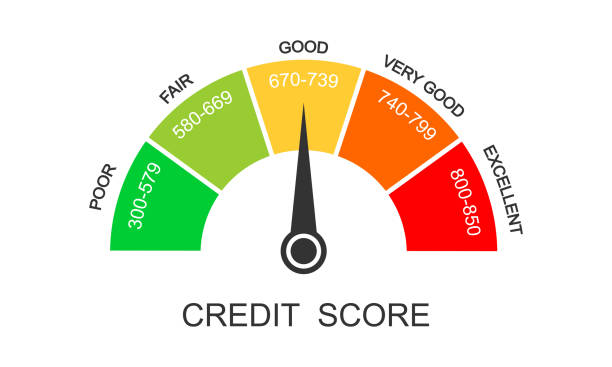
Credit scores, like FICO scores, estimate how likely you are to repay based on your past credit behavior. The score is not a judgment about you as a person, but lenders use it to price risk and decide approvals. By the time most people think about bankruptcy, late payments and high balances have already pushed the score down.
Payment history matters because a 30 day late, a charge off, or a collection account signals missed obligations. Credit utilization matters because maxed out cards make you look stretched, even if you never miss a payment. When you carry large balances month after month, your score can drop even before any creditor sues or garnishes wages.
Length of credit history rewards older accounts that show long-term on time patterns. New credit can hurt when you apply for several accounts in a short time, because each inquiry and new account adds risk signals. Credit mix also plays a role, since a report that includes both installment loans and revolving credit can look more stable when you manage it well. This is why bankruptcy often follows credit damage, rather than causing the first drop
3. Immediate Impact of Filing Bankruptcy
Filing bankruptcy usually changes your credit score right away because the filing adds a major event to your credit report. The size of the drop depends on what your credit looked like before you filed, including late payments, collections, and maxed-out cards. If your score started higher, you may see a larger drop because there is more room to fall. If your score was already low from months of missed payments, the change may feel smaller because much of the damage already happened.
Chapter 7: Chapter 7 often causes a sharp short-term hit because it clears many unsecured debts without a repayment plan. The good tradeoff is that it can remove balances that keep utilization high and keep late payments stacking up. A Chapter 7 bankruptcy can stay on your credit report for up to 10 years, but the entry often matters less as you build a new positive history.
Chapter 13: Chapter 13 also hurts at first, but it can look different because you repay through a court plan. Many lenders view completed plan payments as a sign you followed a structured process, even though the filing still counts as serious negative history. A Chapter 13 bankruptcy can remain on your credit report for up to 7 years, and the impact often softens as on-time payments add new data to your file.
The most important point is that bankruptcy does not affect everyone the same way. Your current score, the age of your delinquencies, and the amount of revolving debt you carry all change the outcome.
4. The Hidden Truth: Many Clients See Credit Improvement
People expect bankruptcy to destroy credit for years, but many clients see the opposite start to happen once the debt pressure lifts. Before filing, high card balances keep utilization high and late payments keep stacking up, so the score often falls month after month. When you stop that slide, you give your credit a chance to stabilize instead of taking new hits.
Bankruptcy can remove or reduce large unsecured balances, and that change can improve your utilization once accounts update. Lower balances can also improve your debt-to-income picture, because your monthly minimum payments often drop or disappear. When your budget has room again, you can pay rent, utilities, and car payments on time, which helps your report build a new positive history.
Another change matters just as much as the score number. When you eliminate debts you cannot keep current, you often end the cycle of new late marks, new charge-offs, and new collection updates. That matters because recent negative activity can weigh on your credit and keep lenders cautious.
After discharge, many clients can start rebuilding right away because they can focus on consistency instead of juggling impossible bills. You still need a plan, because rebuilding works best when you choose safe credit steps and pay on time every month. When you combine the filing with smart next moves, you often see progress sooner than you expected.
5. How Long Bankruptcy Stays on Your Credit Report
A bankruptcy entry stays on your credit report for a set time, even if your finances improve sooner. Chapter 7 can remain for up to 10 years, and Chapter 13 can remain for up to 7 years, and the clock generally starts from the filing date. Those time frames can sound scary, but the report timeline and the real-world credit impact are not the same thing.
Many lenders care most about what you do after filing, because recent payment history and stable income help show lower risk. As the bankruptcy gets older and you add on-time payments, its weight on your score often fades, especially if you keep balances low and avoid new late marks. Lenders also look at context, so a clean record for a year or two can mean more than the bankruptcy entry itself.
If you are considering Chapter 13, the repayment plan can give you a clear track record while the case moves forward. For a closer look at how Chapter 13 works and when it may fit, visit our Chapter 13 Bankruptcy page.
6. Steps to Rebuild Credit After Bankruptcy
Rebuilding credit after bankruptcy works best when you follow a simple plan and track results month to month. You want your credit report to reflect the discharge correctly, and you want new positive history to replace old damage. When you stay consistent, many people see noticeable progress within 12 to 24 months.
- Monitor your credit report: Start by pulling your reports and checking every account that was included in the bankruptcy. Discharged debts should show a zero balance and a status like included in bankruptcy, not past due. If you spot errors, file disputes with the credit bureaus and keep copies of every response.
- Obtain a secured credit card: A secured card can help because it reports like a regular credit card, but you fund it with a deposit. Choose a card from a reputable bank or credit union, and avoid offers loaded with setup fees. Use it for one small bill you already pay, like gas or a streaming service, so spending stays controlled.
- Make on-time payments: Payment history carries heavy weight, so you should make every payment on time, every month. Set up autopay for at least the minimum, then pay more when you can. Treat rent, utilities, and car payments like credit rebuilding tools, because missed payments can restart the damage cycle.
- Keep credit utilization low: Keep your card balance low compared to the limit, because high usage can drag your score down. Many people aim to stay under 30 percent, and lower is often better when you can manage it. Pay the balance before the statement closes if you want the reported balance to stay low.
- Avoid predatory lenders: After bankruptcy, you may get offers for high-interest cards or loans that trap you with fees. Skip payday lenders and “guaranteed approval” deals that demand large upfront charges. Build slowly with one card, few applications, and steady payments, because slow progress is still progress.
7. Special Considerations in San Diego
San Diego’s high cost of living makes credit damage feel bigger because housing takes a large share of most budgets. Many landlords run credit checks, and a recent bankruptcy can lead to higher deposits, stricter screening, or a request for extra proof of income. You can improve approval odds by showing stable pay, a clean rental history, and cash reserves for move-in costs. When you plan the timing, you can often file and rebuild before a lease renewal forces a rushed decision.
Buying a home after bankruptcy is still possible, but you need realistic expectations and a clear timeline. In many cases, mortgage eligibility may reopen in about 2 to 4 years, depending on the loan program, your down payment, and how well you rebuild payment history. You will usually get better results if you keep new credit balances low, avoid late payments, and save consistently.
If you want help planning around renting, buying, and filing timing, visit our Free Consultation Page and talk through your options.
8. How Bankruptcy Law Offices of Mark L. Miller Helps
We help you start with an honest look at what bankruptcy will do to your credit based on your current report. We review late payments, collections, and balances so you understand what is already hurting the score. Then we explain how Chapter 7 and Chapter 13 may change your report in the short term and what helps the score recover over time.
We also focus on strategic timing because filing date and reporting updates can affect your next steps. If you plan to move, refinance, or apply for a car loan soon, we talk through how timing may change risk and cost. We make sure you understand your options before you file, so you do not commit to a chapter that does not fit your income and goals.
After the case, we guide you through credit rebuilding steps that match real life, including what to watch for on your report and how to use new credit safely. You get clear communication, practical next steps, and compassionate support from an experienced team.
9. Frequently Asked Questions
How many points will my credit score drop after bankruptcy?
It depends on where you start. Higher scores often drop more because the filing is a major negative event, while already low scores may shift less. Scores can change again as accounts update to zero balance and you stop new late payments.
Can I buy a house after filing bankruptcy?
Yes, but lenders want time, steady income, and clean payment history after discharge. Waiting periods vary by loan type and whether you filed Chapter 7 or Chapter 13. Keeping utilization low and building savings improves approval odds.
Will bankruptcy remove all negative marks from my credit?
No, older late payments and collections may remain for their reporting period. Discharged debts should show zero balance and reflect the bankruptcy status. Review your reports after discharge and dispute any incorrect balances.
Is Chapter 13 better for my credit than Chapter 7?
Neither is automatically better, since both are serious credit events. Chapter 13 involves repayment through a plan, while Chapter 7 clears unsecured debt faster. The better option depends on income, assets, and whether you need time to catch up on secured debts.
How soon can I get a credit card after bankruptcy?
Many people qualify for a secured card soon after discharge. Keep balances low and pay in full each month to rebuild steadily. And also avoid high fee offers that add unnecessary costs.
Does filing bankruptcy look worse than unpaid collections?
Bankruptcy is serious, but active collections can continue to add damage through lawsuits and new delinquencies. Filing can stop that cycle and allow rebuilding to begin. The right move depends on your overall financial picture and risk of garnishment.
10. Conclusion
Bankruptcy affects your credit score, but it can also give you a clear path to rebuild. If you keep missing payments and balances stay maxed out, your score often drops month after month. Filing can stop that slide and give you a chance to build a new positive history with a cleaner budget.
Many clients recover faster than they expect because the debt pressure is gone and the plan becomes simple. You check your reports for accuracy, make every payment on time, and keep new credit small and controlled. Over time, lenders often focus more on your recent habits than on old chaos, especially when you show steady income and stable spending. The best results come from timing your filing and your next steps around your real goals, like renting, buying, or replacing a car.
If you’re considering bankruptcy in San Diego and worried about your credit score, schedule a free consultation with the Bankruptcy Law Offices of Mark L. Miller today and get clear, honest answers.