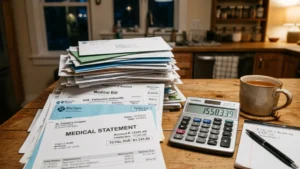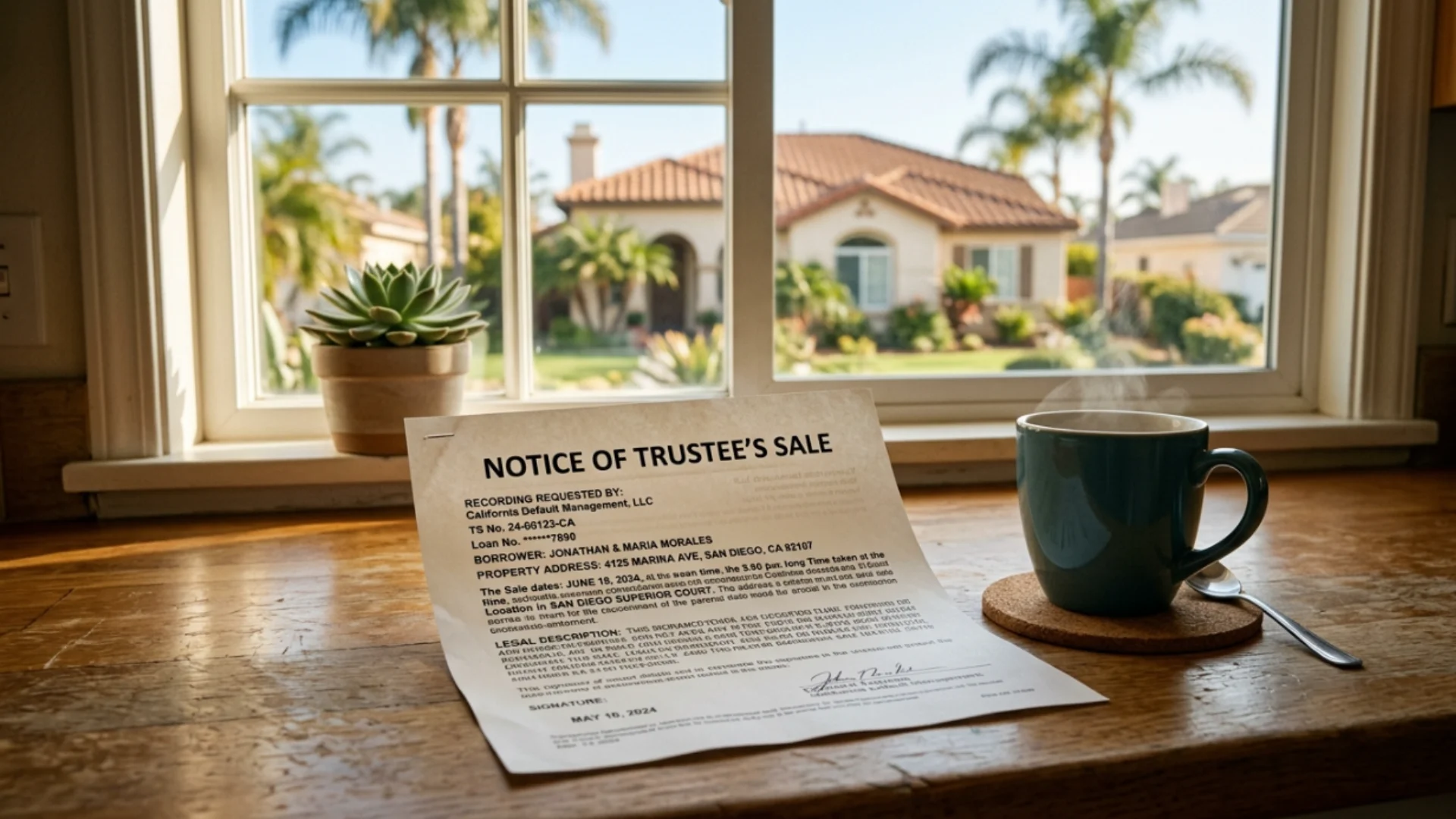
Yes, filing bankruptcy stops a foreclosure sale in San Diego, even if the sale is scheduled for tomorrow. The moment you file, federal law puts an automatic stay in place that legally halts the trustee’s sale, no matter how far along the process is. But stopping the sale and saving the house long-term are two different things.
A Chapter 7 filing only pauses foreclosure temporarily, while a Chapter 13 filing can stop it permanently by giving you 3 to 5 years to catch up on missed payments.
What Actually Happens the Moment You File, Hour by Hour
If your sale date is a few days out, you don’t need a legal explanation. You need to know what happens in the hours after your attorney hits file.
How the Automatic Stay Legally Stops an Already-Scheduled Sale
The automatic stay isn’t something a judge has to approve first. It goes into effect the second your bankruptcy case is filed with the court, by operation of federal law. Your attorney typically notifies the trustee’s office and the lender’s counsel directly, often by fax or email the same day, specifically because trustee sales can be scheduled for early morning and there’s no time to wait for the mail.
Even if the notice doesn’t reach the trustee conducting the sale before it happens, the sale itself is void if it occurs after the case was filed. That’s an important detail: the stay protects you by law the instant the case is filed, not the instant someone finds out about it. Still, in practice, you want your attorney confirming directly with the trustee’s office and the foreclosure department at your lender so nobody accidentally proceeds with a sale that’s already been stopped.
Trustee sales in San Diego County are conducted publicly at the location and time printed on your Notice of Trustee’s Sale, and they move fast once the auctioneer opens bidding. If your case is filed only hours before that scheduled time, it’s worth having your attorney reach out directly to whoever is conducting the sale, in addition to the formal notice sent to the trustee’s office and the lender’s counsel. It’s an extra layer of confirmation that helps avoid any confusion in the final hours.

What If the Sale Is Tomorrow? Emergency and Same-Day Filings
This happens more often than people think, and it’s usually not a lost cause. A bankruptcy attorney can file what’s sometimes called a skeleton petition, a bare-bones filing that gets your case on record and the automatic stay in place, with the full paperwork following in the days after.
If your sale is tomorrow morning, the priority is getting something filed today, even before every document is finalized. Once the case number exists, the stay exists. The rest of the paperwork, like your schedules and your repayment plan if you’re filing Chapter 13, gets completed in the days that follow. This is exactly why waiting until the last minute isn’t ideal, but it’s also why a scheduled sale doesn’t mean the door is closed.
A skeleton petition still needs your name, address, a list of your creditors, and your Social Security number at minimum, which is enough for the court to open a case and activate the stay. Everything else, your full schedules of income, expenses, and assets, along with a proposed Chapter 13 plan if that’s the route you’re taking, can typically be filed within the following two weeks under most local court deadlines.
Most San Diego bankruptcy attorneys who handle emergency filings can meet with you the same day or the next day once you call, especially when a sale date is imminent. Bring your Notice of Trustee’s Sale, a recent mortgage statement, and a list of your other debts if you have them. That’s usually enough for an attorney to file within hours if the situation calls for it.
Chapter 7 vs. Chapter 13: Which One Actually Saves the House
Stopping the sale is step one. Whether it stays stopped depends entirely on which chapter you file.
Why a Motion for Relief From Stay Can Undo a Chapter 7 Pause
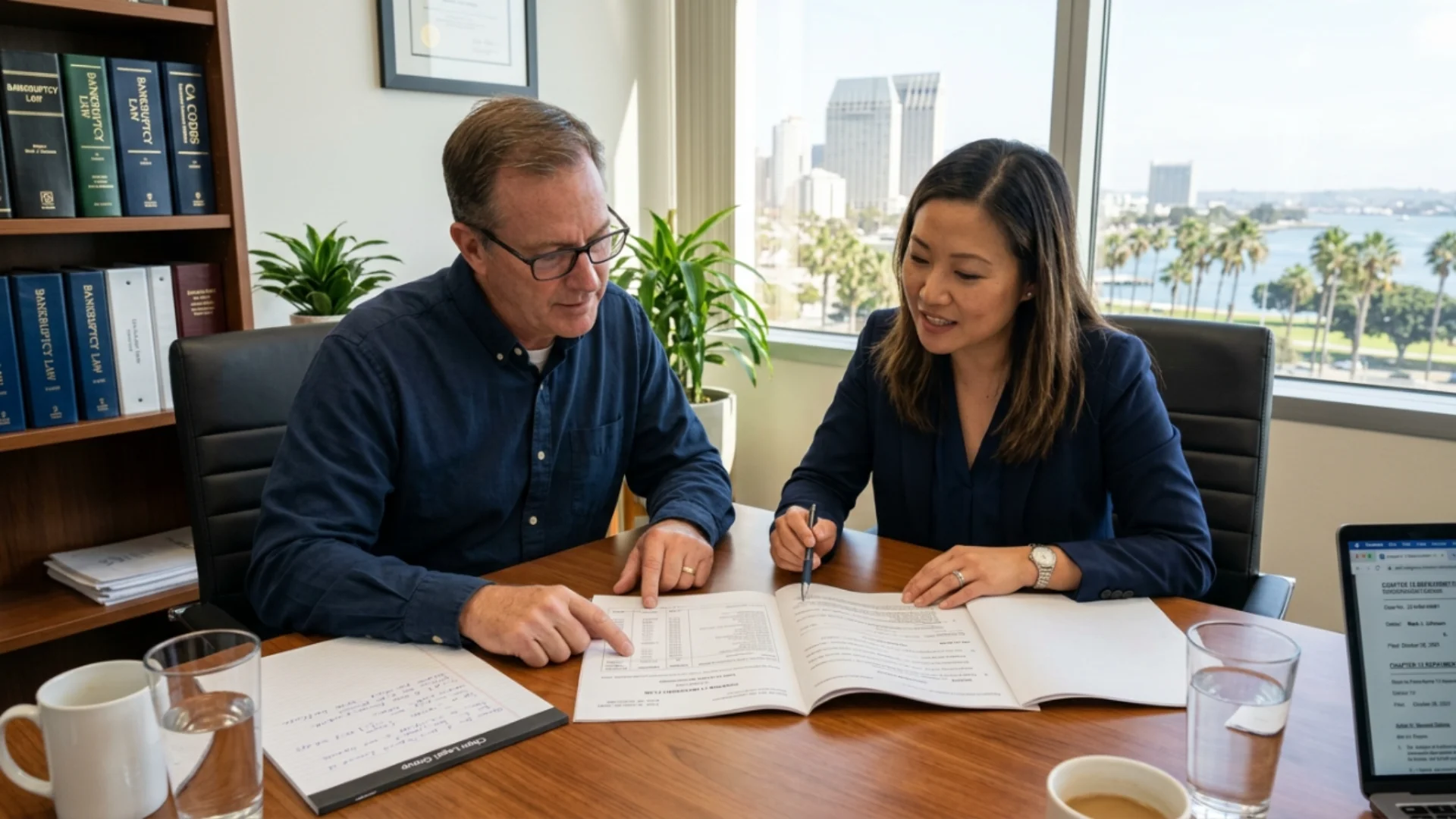
A Chapter 7 bankruptcy stops the sale the day you file, but it doesn’t erase your missed mortgage payments. If you’re behind and don’t have a plan to catch up, your lender’s attorney will usually file a Motion for Relief from Stay, asking the court for permission to move forward with the foreclosure despite your bankruptcy case. Courts grant these fairly often when there’s no realistic path to bringing the loan current, which means a Chapter 7 case can buy you weeks or a couple of months, but usually not a permanent solution if keeping the house is the goal.
Say you’re $9,000 behind on a mortgage with a $2,400 monthly payment. Under a Chapter 13 plan, that $9,000 gets spread across your plan length, often adding a few hundred dollars to what you pay each month on top of your regular payment, while a Chapter 7 case does nothing to address that missed amount at all. That gap is usually what determines whether a lender’s attorney bothers filing a Motion for Relief from Stay in the first place.
A Chapter 13 bankruptcy, on the other hand, is built specifically for this situation. You propose a repayment plan that catches up your missed payments and any unpaid property taxes over 3 to 5 years, while making your regular mortgage payment going forward. As long as the plan is approved and you keep up with it, the lender can’t foreclose, because your case is actively bringing the loan current.
For homeowners with real equity built up, especially common in San Diego’s housing market, this is often the more valuable outcome than it first appears. A short sale or letting the property go to auction can wipe out equity that took years to build, while a completed Chapter 13 plan lets you keep the house and everything you’ve built into it.
If You’ve Filed Bankruptcy Before: The Repeat-Filer Rules Nobody Explains
If this isn’t your first bankruptcy filing, the automatic stay doesn’t work quite the same way, and this is where a lot of homeowners get caught off guard.
If you had a bankruptcy case dismissed within the past year, filing a second case only gives you an automatic stay for 30 days unless your attorney files a motion asking the court to extend it. If you’ve had two or more cases dismissed in the past year, you don’t get an automatic stay at all. You have to ask the court to impose one, and you need to show the second filing is in good faith rather than a delay tactic.
This doesn’t mean a repeat filing is hopeless. Courts do grant these motions when there’s a genuine change in circumstances, like a new job or a loan modification that fell through the first time. But it does mean you can’t assume filing again automatically buys you the same protection you’d get with a first case. If you’re not sure whether you’d keep your house after filing a second time, this is a conversation to have with an attorney immediately, not something to handle on your own.
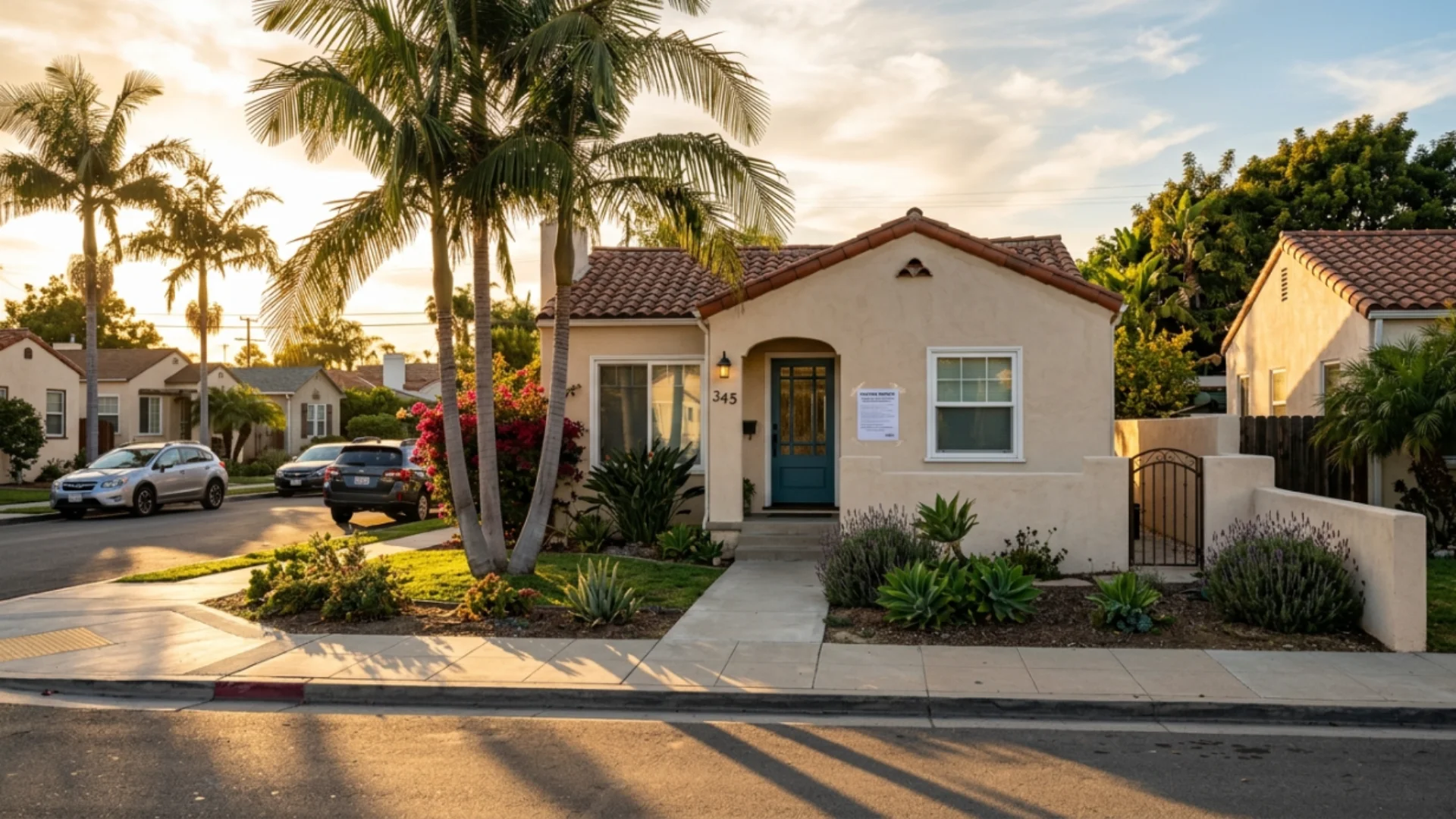
One more detail that catches people off guard: the automatic stay only protects the person who files. If your name is on the mortgage along with a spouse or co-borrower who isn’t filing, their liability on the loan isn’t affected by your case, even though the stay stops the sale of the shared property. This usually isn’t a dealbreaker, but it’s worth discussing with your attorney if only one of you is planning to file.
Every week you wait to talk to someone is a week closer to that sale date, and California’s foreclosure timeline doesn’t pause while you’re deciding what to do. Whether you end up filing Chapter 13, negotiating a loan modification, or deciding a short sale makes more sense for your situation, the earlier you have that conversation, the more of these options are still realistically on the table.
A scheduled foreclosure sale feels like a countdown you can’t stop, but the automatic stay is one of the few tools in bankruptcy law that works instantly, by operation of law, the moment your case is filed. What happens after that filing, whether you keep the house permanently or just buy time, comes down to which chapter you file and whether you can realistically catch up what you owe. If you’ve received a Notice of Trustee’s Sale, the clock matters more than almost anything else in this process, and the sooner you talk to someone who can file quickly, the more options you’ll have left.
If your sale date is coming up, don’t wait to see what happens. Filing for Bankruptcy in San Diego can often be started the same day you call, and a free consultation will tell you exactly what filing today would mean for your specific timeline.