Yes, bankruptcy can stop most debt collection calls in San Diego, and the protection usually begins when the bankruptcy court files the petition and issues a case number. You do not normally wait for a hearing or ask every creditor for permission. The automatic stay created by 11 U.S.C. § 362 restrains most creditors from continuing collection once the case starts.
That answer matters when your phone rings before work, messages arrive during dinner, and every unknown number feels like another demand you cannot satisfy. However, filing bankruptcy is a serious legal step rather than a button pressed only to silence a caller. The right chapter, timing, creditor list, prior filing history, and property exposure all need review before the petition goes to court.
At the Bankruptcy Law Offices of Mark L. Miller, we help San Diego residents understand whether bankruptcy fits the entire financial problem, not merely the latest collection call.
If you want a better understanding of how bankruptcy may affect debt collection calls in San Diego, this article explains the key concepts and common situations. But remember, this article only provides general information, while advice about a particular case requires an individual legal review.
Debt Collection Pressure Can Become Hard to Think Through
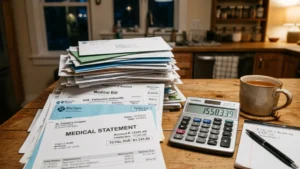
Collection pressure rarely stays inside one phone conversation. A collector may call repeatedly, send letters, use email or text, threaten a lawsuit, or contact other people while trying to locate you.
Federal law generally prohibits covered debt collectors from using abusive, unfair, or deceptive practices, and CFPB rules create call-frequency presumptions for telephone contact about a particular debt.
The federal rules usually apply to collection agencies, debt buyers, and collection lawyers, rather than every original creditor collecting its own account.
California adds another layer through the Rosenthal Fair Debt Collection Practices Act and related licensing rules. State guidance says collectors generally cannot call before 8 a.m. or after 9 p.m. without permission, use deceptive threats, or harass a consumer. These rights can matter before bankruptcy, but they do not automatically stop a valid lawsuit, judgment, garnishment, or levy.
Here’s the deal, a cease-contact request and an automatic stay solve different problems. A written request may restrict communications from an FDCPA-covered collector, while bankruptcy can halt many underlying enforcement actions as well.
What Is the Automatic Stay?
The automatic stay is a federal injunction that arises when a bankruptcy petition is filed. In the Southern District of California, the court warns that the stay is not in effect until the case receives a bankruptcy case number, so submitting an electronic packet without completing the filing is not enough. Once the case is filed, most proceedings and collection efforts against the debtor must stop.

The clerk sends notice to creditors listed in the bankruptcy papers, but the legal protection does not wait for each creditor to open its mail. Still, knowledge matters when proving a willful violation. If a collector calls before learning about the case, provide the case number, filing date, and attorney’s contact information, then document what happens next.
This immediacy is one reason the automatic stay can feel different from negotiating separate payment plans. Instead of asking several creditors to cooperate, the debtor invokes one federal protection that applies across many collection channels.
What Collection Activity Can Bankruptcy Stop?
The stay generally stops calls demanding payment on debts that arose before filing. Credit card collectors, medical debt collectors, personal-loan companies, debt buyers, and many original creditors must suspend collection activity once they know the case exists. Administrative notices may still arrive, and some communications are legally permitted, so not every envelope after filing proves misconduct.
Pending debt-collection lawsuits are usually paused. A creditor cannot ordinarily continue toward judgment or use an existing judgment to collect while the stay applies. That protection can also stop future wage garnishment deductions, although payroll departments and levying officers need prompt notice. Money taken before filing does not automatically return; recovery depends on timing, amount, exemptions, and other bankruptcy rules.
Bank levies require similar care. Filing can stop further collection, but ownership of funds already removed or frozen may become a separate issue. Bring every levy notice and recent bank statement to the consultation rather than assuming the filing reverses a completed transfer.
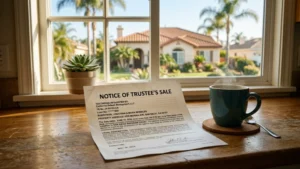
Foreclosure activity is generally stayed if the sale has not already occurred. Chapter 13 may give a homeowner time to cure mortgage arrears through a repayment plan, but the debtor must keep up with post-filing obligations, and a lender can ask the court for relief from the stay. The U.S. Courts specifically warns that filing after a foreclosure sale is completed may be too late to save the home.
Repossession attempts are also commonly paused while the vehicle remains with the debtor. A vehicle taken before filing presents a more difficult question, and bankruptcy does not guarantee its return. Timing matters sharply here, so contact us before a scheduled repossession rather than after the tow truck leaves.
Utility companies generally cannot terminate service solely because a bankruptcy was filed or because a pre-filing utility bill remains unpaid. However, the Bankruptcy Code allows a utility to request adequate assurance of future payment and, in many consumer cases, discontinue service if that assurance is not provided within 20 days.
Immediate action matters: Bring us garnishment orders, levy notices, foreclosure dates, repossession warnings, and every creditor contact. A case number protects more effectively when the right parties receive it promptly.
What Does the Automatic Stay Not Stop?
The stay is broad, but it is not universal. Criminal proceedings generally continue, even when the case has a financial component. Certain actions involving child support, alimony, paternity, custody, and domestic violence also fall within statutory exceptions, although the treatment of property collection can depend on the chapter and the source of payment.
Tax authorities may continue audits, issue deficiency notices, demand returns, and make certain assessments even when collection enforcement is restricted. Government agencies may also continue qualifying police or regulatory actions. These exceptions appear in 11 U.S.C. § 362(b), which contains a detailed list rather than one simple rule.
Student loans create a different misunderstanding. The automatic stay usually pauses ordinary collection, but most student loan debt is not discharged through the standard discharge alone. A borrower seeking a federal student loan discharge generally must file a separate action and establish that repayment would impose an undue hardship. Temporary silence from a servicer should not be mistaken for permanent elimination of the balance.
Secured creditors also retain rights. A mortgage lender or vehicle lender may file a motion asking the court to terminate or modify the stay, particularly when payments are not being maintained or its collateral lacks adequate protection. The stay creates time and legal structure; it does not give the debtor free use of secured property without ongoing obligations.
What Should You Do When a Creditor Keeps Calling?
Write down the date, time, number, caller, creditor, and exact demand. Save voicemails, screenshots, emails, letters, and call logs. Then send the case number and our contact information if the caller may not have received notice.
Under 11 U.S.C. § 362(k), an individual injured by a willful stay violation may recover actual damages, including costs and attorney’s fees, and punitive damages may be available in appropriate circumstances. A willful violation generally turns on knowledge of the stay and an intentional collection act, rather than the creditor admitting that it meant to break bankruptcy law.
The FDCPA and California law may provide separate remedies for harassment or deception, but coverage and deadlines vary. The FDCPA does not generally cover original creditors, while California protections can reach a broader group of debt collectors. That distinction is one reason we review who made the contact, what type of debt was involved, and whether the conduct occurred before or after filing.
Do not argue at length with the collector. Preserve the evidence and let us assess the legal response.
How Long Does the Automatic Stay Last?
In a typical Chapter 7 case, the stay protects the debtor while the case proceeds, subject to statutory termination rules and any court order granting a creditor relief. An individual Chapter 7 discharge commonly enters about four months after filing when no dispute delays it. The discharge then replaces temporary collection protection with a permanent injunction against collecting discharged debts personally from the debtor.
Chapter 13 usually runs three to five years. During that period, the law generally forbids creditors from beginning or continuing collection while the debtor performs the plan. Homeowners may use the plan to cure mortgage arrears, but they must also make ongoing mortgage payments when due.
Repeat filings can change everything. When one prior case was pending and dismissed during the previous year, the stay may terminate after 30 days unless the court extends it. Two or more dismissed cases within that period may prevent the stay from arising without further court action. Federal bankruptcy court guidance confirms that recent dismissed cases can sharply limit the protection available in a new filing.
Keep this in mind: never assume a new filing creates full protection when you have filed recently. Tell us about every prior case, including cases filed elsewhere or dismissed before completion.
Does Chapter 7 or Chapter 13 Provide Better Protection?
Both chapters can trigger the automatic stay, but they solve different financial problems.
Chapter 7 is a liquidation chapter that may discharge many unsecured debts without a repayment plan. Eligibility, exemptions, liens, recent transfers, and nonexempt property require analysis before filing because a trustee can sell nonexempt assets. The U.S. Courts also notes that Chapter 7 eligibility may involve a means test for individuals with primarily consumer debts.
Chapter 13 is designed for individuals with regular income who propose a court-supervised plan lasting three to five years. It can be useful when a debtor needs time to cure mortgage arrears, protect property, or address debts that require structured repayment.
What matters is, the chapter that stops today’s calls may create very different obligations tomorrow. We review income, assets, secured debt, arrears, recent transactions, prior filings, and the debts that may survive discharge before recommending either route.
Why Work With the Bankruptcy Law Offices of Mark L. Miller?
We focus on bankruptcy and debt relief rather than treating these cases as occasional additions to a general practice. We have more than 50 years of collective experience, more than 25 years serving San Diego and El Centro families, and a small, hands-on approach in which a licensed bankruptcy attorney conducts the consultation.
We also offer free consultations in person, by phone, or through video.
Our first task is not to push every caller into bankruptcy. We examine the pressure point, whether that is a garnishment, lawsuit, levy, foreclosure, repossession risk, or constant contact, then assess what bankruptcy can stop and what it cannot change.
We also understand that financial distress carries embarrassment that the law does not require. Our job is to explain the options plainly, prepare the case accurately, notify creditors, and respond when a collector ignores the protection.
Frequently Asked Questions
How Quickly Does Bankruptcy Stop Collection Calls in San Diego?
The stay begins when the court files the petition and assigns a case number. Creditors may need notice before their systems stop calls, so accurate creditor information and prompt follow-up matter.
Can Bankruptcy Stop a Wage Garnishment Already in Progress?
Bankruptcy can usually stop future deductions on an ordinary judgment garnishment while the stay applies. Recovering money already withheld requires separate analysis and is not guaranteed.
What Happens if a Creditor Calls After Filing?
Give the caller the case number, record the communication, and contact us. Repeated intentional contact after notice may support a claim for damages under the Bankruptcy Code.
Will Bankruptcy Stop a Lawsuit Already Filed?
Most civil debt-collection lawsuits are paused when the case is filed. Criminal proceedings, domestic matters, and certain regulatory actions follow different rules.
Can I File Bankruptcy Only to Stop the Calls?
You may seek bankruptcy relief because collection pressure has become unmanageable, but the filing affects assets, debts, credit, contracts, and future obligations. The better question is whether bankruptcy solves the complete financial problem at an acceptable cost.
Conclusion
Bankruptcy can replace scattered collection pressure with one court-supervised process, and the automatic stay can stop most calls, lawsuits, garnishments, levies, foreclosures, and repossession efforts after the case is properly filed. The exceptions, timing rules, and repeat-filer limits make preparation important.
Contact us at the Bankruptcy Law Offices of Mark L. Miller for a free consultation. We will review what creditors are doing now, explain how quickly the stay may help, and determine whether Chapter 7 or Chapter 13 offers the right protection for your circumstances.