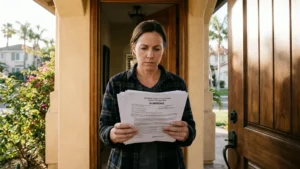
You went to pay rent or buy groceries and your card got declined. The bank says your account is frozen because of a creditor. That’s a bank levy, and it’s frightening because it hits the money you live on. It’s also something bankruptcy can often stop, though bankruptcy doesn’t fix everything, and the timing matters a great deal.
Here’s what I’d want you to know, in plain terms, before you do anything else.
Why Your Bank Account Got Frozen and How It Works in California
A freeze usually follows a court judgment
In California, a creditor generally can’t just freeze your account because you owe money. It first sues, wins a judgment, and then asks the court for a levy. The bank receives the order and holds the money in your account up to the amount of the judgment. Often you weren’t warned the day it happened, which is why it feels like it came out of nowhere.
If you never answered the lawsuit, the judgment may have been a default. That’s why I always tell people not to ignore court papers, even when it feels hopeless.
Can an account be frozen without a lawsuit?
Yes, in some cases. Tax agencies such as the IRS and California’s Franchise Tax Board can levy a bank account without first suing you. Unpaid child support can also lead to an account hold through a different process. If your freeze came from a tax or support agency, the rules, deadlines and ways to respond are different, so tell us right away who sent the notice.
Some money may be protected
Not every dollar in your account can be taken. Certain benefits, such as Social Security, SSI and some veterans benefits, have legal protection, and California has its own exemption rules. The catch is that protection often has to be claimed, and the deadlines are short. Money from your paycheck is treated differently than benefit deposits, and mixing different kinds of money in one account can make things harder to sort out.
If your account is frozen right now, don’t wait for the bank to figure it out. Read your court notices, look for the response deadline, and call a lawyer the same day.
How it differs from wage garnishment
A bank levy takes money that’s already sitting in your account, usually in one hit. A wage garnishment takes a portion of each paycheck over time. We explain the second one in our guide to wage garnishment in San Diego. Both can follow the same judgment, and both can be stopped by the same bankruptcy filing.
Three kinds of money that may sit in your account
Think of your balance as a mix. There may be paycheck money, benefit money such as Social Security or disability, and savings that came from somewhere else, like a tax refund or a family gift. Each type can be treated differently. The cleaner you can separate and prove each source, the easier it is to ask the court to release protected funds. Print the last few months of statements and mark which deposits are which.
What you can do in the first few days
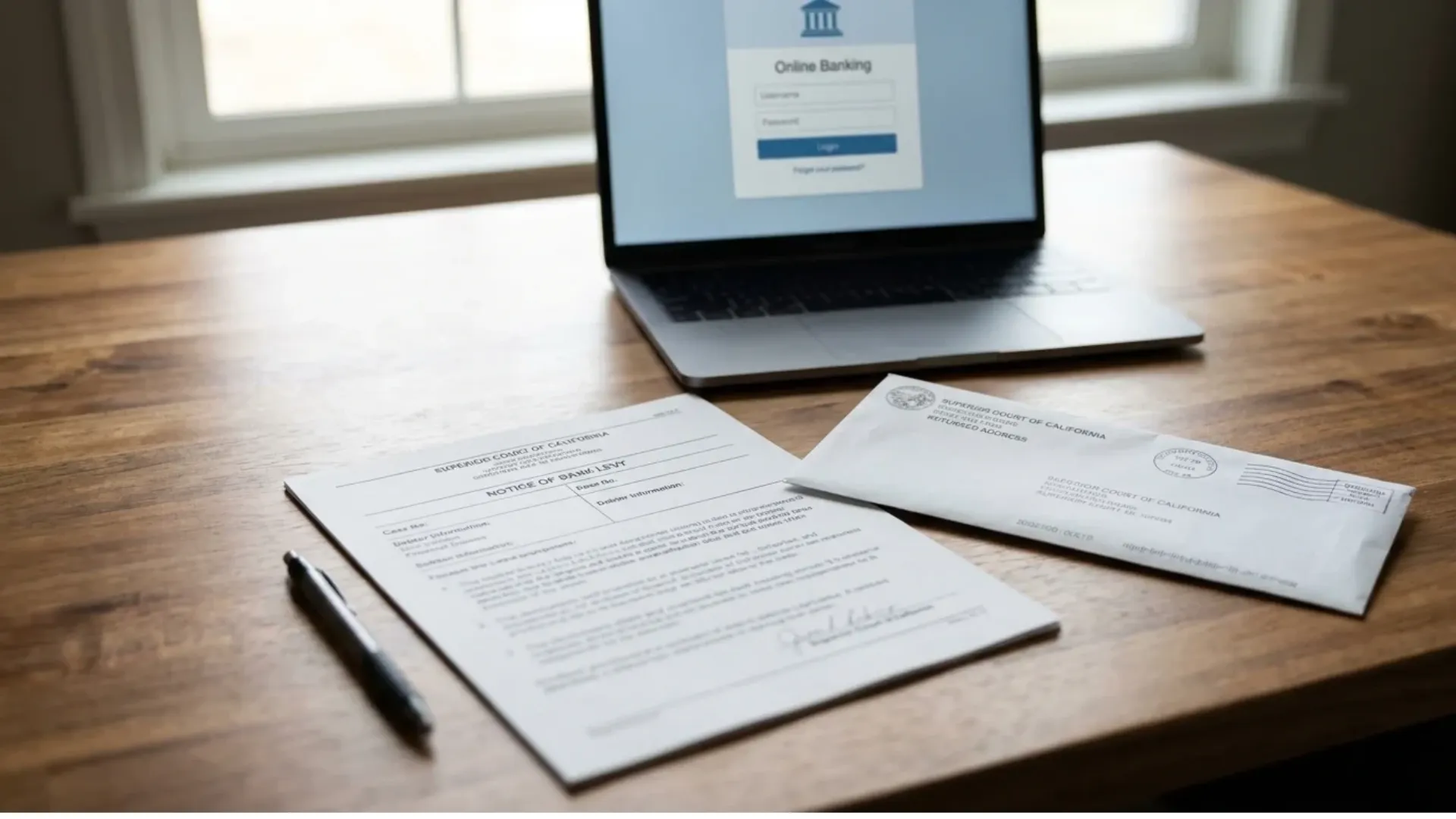
A levy comes with paperwork, and that paperwork has dates on it. Look for the notice from the court or sheriff, the name of the creditor, the amount of the judgment and any deadline to file a claim of exemption. Claiming that some of the money is protected can free part of your account without filing bankruptcy at all, and it’s often the quickest fix for a levy that grabbed benefit money.
If more of the picture looks like a pile of debts and not a single judgment, a bankruptcy is often the broader answer. We help you work out which path fits so you don’t spend your deadline on the wrong one.
What we do when a freeze is already in place
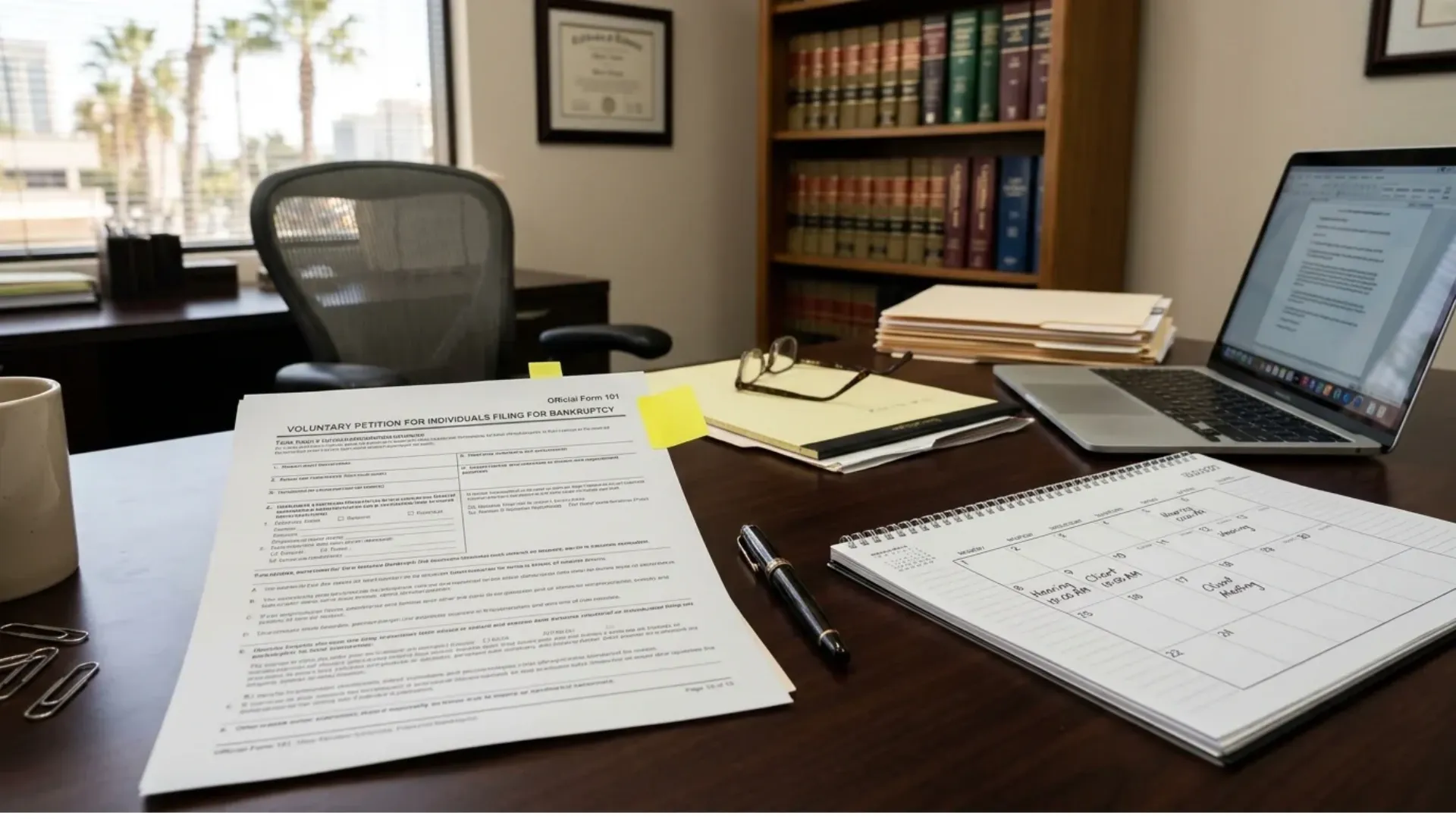
When someone calls with a frozen account, we gather the court papers, the statements and the dates before anything else. Then we decide whether a claim of exemption, a bankruptcy filing or both makes sense. If we file, we send notice of the stay to the creditor and the bank, and follow up until the hold comes off. You shouldn’t have to argue with a bank’s back office on your own.
What Filing for Bankruptcy Can Do About a Frozen Account
The automatic stay
The moment we file your case, the automatic stay takes effect. It tells creditors to stop collection activity, including levies. We send notice to the creditor, and when needed to the bank, so the hold gets lifted. This isn’t always instant. Banks sometimes take a few days to process it, and that’s something we follow up on for you.
Recovering money taken shortly before you filed
If a creditor took money from your account in the 90 days before you filed, the trustee may be able to reverse that transfer in some cases. That’s one reason people who file soon after a levy sometimes get relief they didn’t expect. Whether it applies depends on the amount, the timing and your exemptions, so we look at the details instead of promising anything.
Wiping out the debt behind the levy
In a Chapter 7 bankruptcy, the unsecured debt that caused the levy can be discharged, so the creditor can’t try again. In a Chapter 13 case, the levy stops and the debt gets folded into a repayment plan you can afford. Which path fits you depends on income, assets and the type of debt.
Joint accounts and family money
A joint account can make a levy messier. If your spouse, parent or adult child shares the account, their money can get caught too. Tell us who owns which funds, and bring proof: pay stubs, benefit letters and deposit records. Keeping family money in a separate account before trouble starts is easier than untangling it afterward.
What to do about rent and bills while the money is stuck
This is the part that keeps people up at night. If your pay was deposited into the frozen account, call your landlord and utility companies before the due date. Most would rather hear from you early than get a bounced payment. Ask your employer if you can be paid by paper check for a pay period or two. Keep copies of every message you send. Small steps like these buy you time while the legal side gets sorted.
What Bankruptcy Won’t Fix, and How to Protect Yourself Right Now
Debts that behave differently
Not every creditor is stopped the same way. Back child support, most tax debts and some court ordered payments are treated differently from credit card judgments. Student loans have their own rules. If your freeze came from one of those, tell us up front so we can give you an honest answer about what bankruptcy does and doesn’t do.
Why bankruptcy doesn’t refund the freeze overnight
Even after the stay, you may wait a short while to get access to your funds, and you may need an emergency plan for rent or bills in the meantime. I’d rather say that plainly than pretend it’s instant. We help you plan that gap, and we deal with the creditor and the bank directly so you aren’t chasing them on your own.
What to do this week
- Read every notice from the court, the bank and the creditor. Note the dates.
- Gather your last two or three months of bank statements and note which deposits are benefits or wages.
- Open a separate account at a different bank for new paychecks, but don’t move money in a way that looks like hiding it. Ask us before you do.
- Stop paying one creditor out of panic. We want to look at every debt before money moves.
If creditors are also calling you at work or at home, our page on creditor harassment explains your rights.
Signs the same creditor may come back for more
One levy often isn’t the last move. A creditor who finds your bank can find your employer, and the same judgment can support a wage garnishment next. If you’ve already been hit once, you should assume more is coming until the underlying debt is dealt with. That’s another reason to look at the whole debt picture instead of the single frozen account.
A Frozen Account Isn’t the End of Your Month
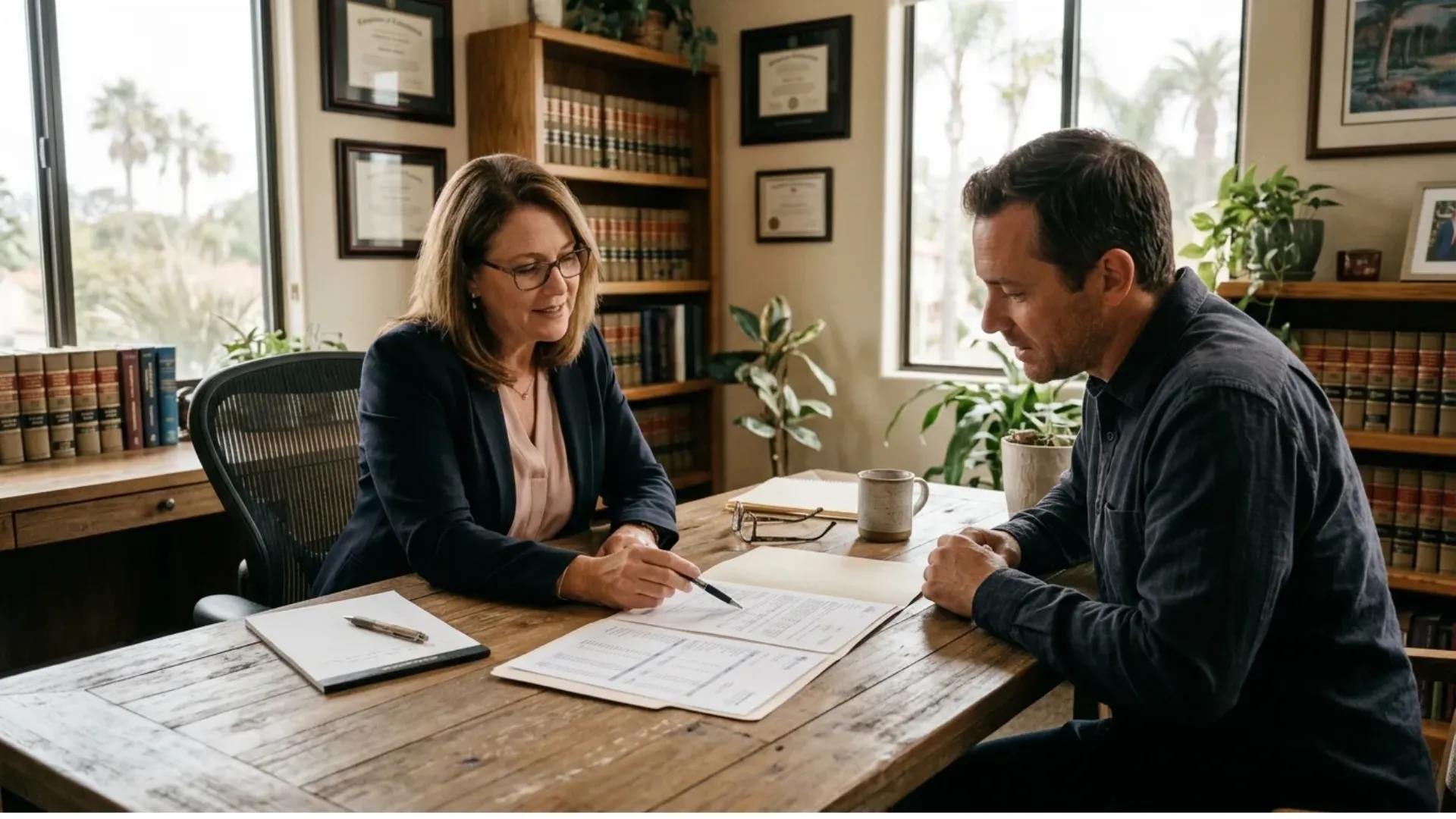
When your money disappears, it feels like the floor went out from under you. That feeling is real. But a freeze is a legal tool, and legal tools have limits, deadlines and ways to be challenged. The sooner someone looks at your papers, the more choices you keep. Bring us the notices and your statements, and we’ll tell you what can be stopped, what can be recovered and what can’t, so you can make your next move with your eyes open.
Account frozen? Call us at 619-574-0551 for a free consultation by phone, video or in person at 2341 Jefferson St, Suite 100 in San Diego. We’ll look at the court papers, the account and your deadlines, and explain what bankruptcy can do in your situation. You can also read about filing for bankruptcy in San Diego first.