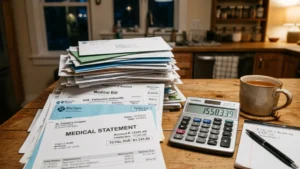
It’s late November, the cards are out, and January already feels heavy. Can holiday charges be wiped out in a bankruptcy? Often yes, but charges made close to your filing date get a second look. Federal law flags certain purchases made within 90 days of filing and cash advances made within 70 days.
Here’s how those windows work for San Diego filers, and what I’d do before you charge another dollar this season.
Can Holiday Credit Card Debt Be Wiped Out in a San Diego Bankruptcy?
Yes, most card balances are the kind of debt bankruptcy is built for
Credit card balances are unsecured debt. In a Chapter 7 case, the court can discharge them, which means you no longer owe them. That includes balances that grew in November and December. If you want the full picture of how this works for cards, our guide on whether bankruptcy can wipe out credit card debt in San Diego walks through it.
But there’s a catch, and it’s all about timing and intent. The law doesn’t want people to run up a card knowing they won’t pay it back and then walk away. So it puts a magnifying glass on charges made right before a filing.
The 90 day and 70 day windows
Two rules matter most. First, luxury goods or services bought on credit within 90 days before you file are presumed to be a problem debt, if the total owed to one creditor is above a dollar threshold. Second, cash advances taken within 70 days before you file get the same treatment. Those dollar thresholds adjust every few years, so we check the current numbers at your consultation instead of quoting an old figure.
Presumed doesn’t mean lost. It means the creditor can ask the court to rule the debt can’t be erased, and then you can answer. Intent to repay at the time of the purchase is the real question.
A calendar example
Say you buy gifts on Black Friday, November 27, 2026. Ninety days later is February 25, 2027. If you file after that date, those purchases fall outside the 90 day window. Now say you take a cash advance on December 20 to cover rent. Seventy days later is February 28, 2027.
Notice what that means. Filing on January 5 puts both charges inside the windows. Filing in early March puts both outside. That’s why I never tell someone to rush in or wait it out without looking at the actual statements first.

How a creditor decides whether you meant to pay
A creditor who wants to fight a charge has to argue you never planned to pay it back. Nobody can read your mind, so the court looks at the surrounding facts. Were you current on the card before November? Did your spending jump suddenly? Were the purchases ordinary for you, or far outside your pattern? Did you meet with a bankruptcy lawyer before you charged them?
That last one matters more than people expect. If you’ve already decided to file and then keep charging, it looks very different than a family that bought gifts in good faith and then lost hours at work in January. Be honest with yourself about which one you are, because the trustee and the creditor will ask.
What Counts as a Problem Charge and What Doesn’t
Luxury purchases versus everyday needs
Groceries, gas, utility bills, a car repair so you can get to work, a doctor visit. Those are necessities, and the luxury rule doesn’t treat them the same way. Gifts, trips, electronics and dinners out are where creditors look.
Here’s the part people miss. A holiday gift for your kids bought while you were still hoping things would turn around is different from a spending spree after you’ve already decided to file. Courts care about what you were thinking and what your finances looked like at the time. San Diego is expensive, and plenty of households lean on cards just to cover rent in December. That context matters.
Cash advances, gift cards and balance transfers
A cash advance is the easiest one for a creditor to spot, because it’s a clean line on the statement. Buying gift cards with a credit card, then spending them on regular bills, can look like a cash advance in disguise. A balance transfer moves old debt, so it’s usually less of a concern, but it can still draw questions if it came right before a filing.
What happens if a creditor challenges a charge
A creditor can’t just decide a charge is off limits. It has to file a separate case inside your bankruptcy and ask the judge, and there’s a deadline for doing that. Most creditors don’t bother when the amounts are small. When they do, we respond with the facts: your income at the time, your reasons for the purchase, and whether you planned to pay.
The rest of your debt still gets handled normally. A challenge to one charge doesn’t undo the discharge of everything else. If you’d like to see what else can cause trouble before a filing, read the don’ts of filing Chapter 7.
Do you lose the gifts and the things you bought?
Usually not. California’s exemption rules protect most ordinary household goods, clothing, personal items and a car up to certain values, and a trustee generally has no interest in taking a child’s gifts or a used laptop. The exceptions are expensive items with real resale value, and a pile of recent high end purchases can draw attention. We walk through what’s protected in our look at California bankruptcy exemptions, and we check it against your actual list.

What to Do Now If You’ve Already Charged the Holidays
Should you file now or wait?
It depends on three things: how much you charged, what you bought, and how fast creditors are moving. If the charges are small and mostly necessities, waiting may not be worth the pressure of collection calls. If the charges are large and fall inside a window, waiting a few weeks can change the picture. And if you’re being sued or your wages are at risk, waiting isn’t always safe.
That’s a judgment call that needs your actual statements on the table. It’s the first thing we do in a free consultation.
Moves that make things worse
A few mistakes I see over and over in January:
- Paying back a relative or friend right before filing. A trustee can sometimes undo those payments.
- Taking money out of a retirement account to pay cards. That money is often protected, and you’d be trading protected money for debt that could have been erased.
- Taking out a new loan to pay off the cards. Now you owe one lender and may have lost your options.
- Running the cards up one last time because you’re about to file anyway.
What to bring to a free consultation
Bring your last three card statements, any bills in collection, your last two months of pay stubs, and a list of what you bought after November 1 if you can reconstruct it. We’ll review the dates, work out which charges sit inside the 90 and 70 day windows, and tell you whether Chapter 7 fits your situation.
Why filing sooner can still be the right call
I don’t want you to read the 90 day rule and decide you have to sit still until spring. If you’re being sued, if your wages are about to be garnished, or if you’re one missed payment away from losing your car, the cost of waiting can be bigger than the risk of a challenge. Holiday charges are usually a small slice of a bigger problem. If your cards were already maxed out in October, the holidays didn’t create the debt, they just exposed it.
In those cases we look at the whole file. We estimate how much of the debt falls inside a window, how likely a creditor is to fight it, and what happens if they do. Sometimes the answer is to file right away and accept a small risk on a few charges. Sometimes it’s to hold off a few weeks. Either way, you’ll know the reason.

January’s Bills Don’t Have to Set the Tone for Your Whole Year
The holidays were supposed to be about the people at your table, not the balance on your phone. If the statements are coming and you can’t see a way through, you have more choices than you think. The dates matter, the details matter, and a calm look at both now is worth more than a panicked guess in February. Bring us your statements and we’ll tell you where you stand, what the windows look like and what to do next, before another bill arrives.
Holiday charges got out of hand? Call us at 619-574-0551 for a free consultation by phone, video or in person at our San Diego office, 2341 Jefferson St, Suite 100. We’ll go through your statements and show you your options before you pay, charge or file anything else. You can also start with our page on filing for bankruptcy in San Diego.