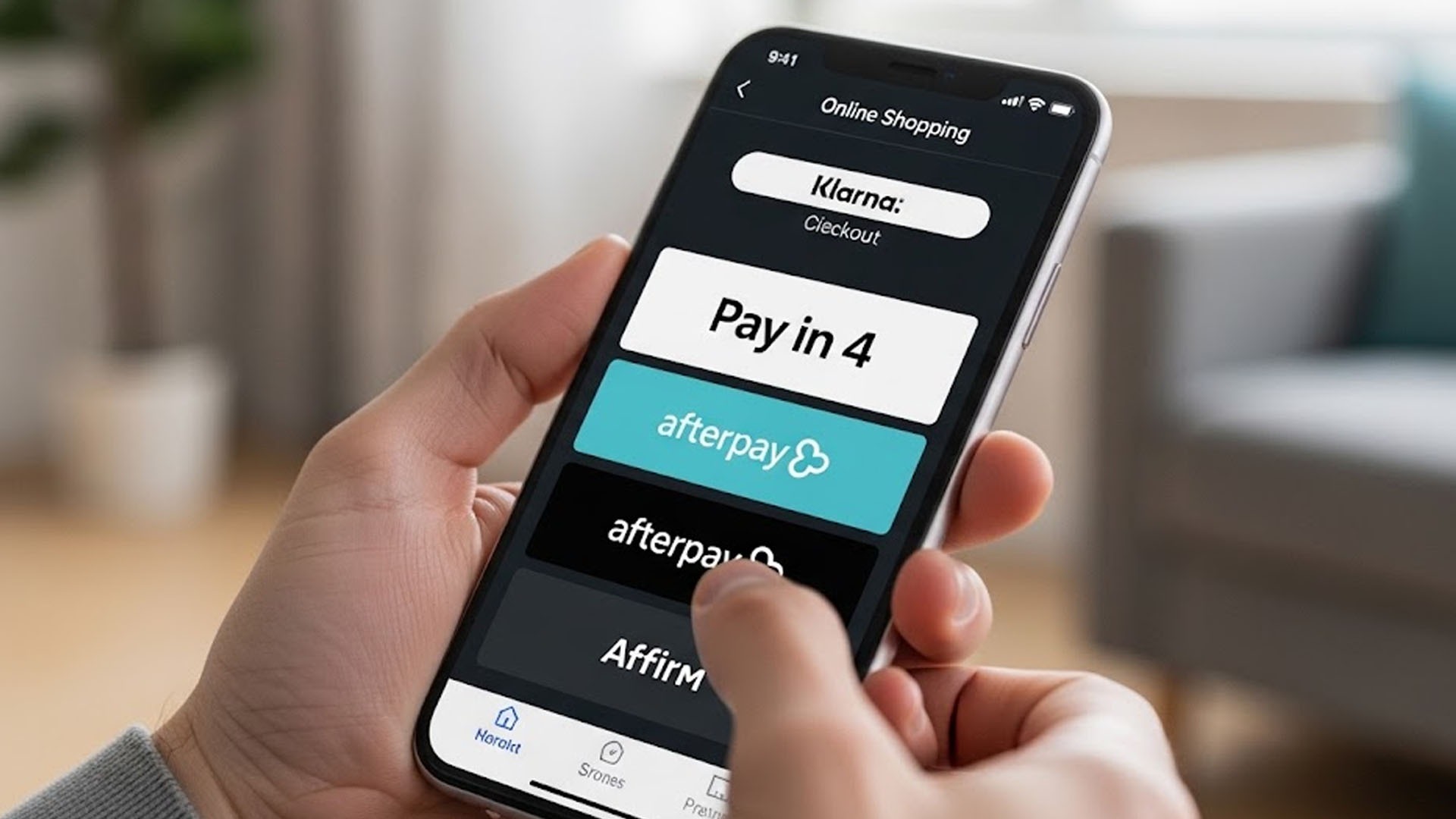
If you live in San Diego, you’ve felt it. Rent is pushing past $2,800. Groceries that somehow cost $150 for two bags. Gas is creeping up again. And in that moment at checkout, Klarna, Afterpay, or Affirm can feel like a lifeline. Split it into four payments. No big deal, right?
Until you’re juggling five of them.
But bankruptcy can help. And this article will walk you through exactly how.
One thing to be crystal clear about: BNPL debt is legally dischargeable in bankruptcy, just like credit card debt.
What Is Buy Now Pay Later Debt?
Buy Now Pay Later (BNPL) debt is a form of unsecured consumer debt that lets you split a purchase into installment payments, usually at checkout. Companies like Affirm, Klarna, Afterpay, and PayPal Pay Later offer it online and in stores.
There’s no collateral backing it. No car. No house. Just a promise to pay.
Basically, BNPL debt is unsecured consumer debt divided into installments, typically offered at the point of sale.
Why Is BNPL Debt Piling Up in San Diego?
San Diego isn’t cheap. Median rent sits above $2,800. Wages haven’t kept pace with inflation. And everyday life, childcare, utilities, groceries, keep climbing. So people stack payments.
One pair of shoes becomes four payments. A couch becomes six. Before long, you’ve got three or more active BNPL plans running at once. Each one feels small. Manageable. Until they all hit the same week.
Miss a payment, and late fees kick in. Some accounts go to collections. Credit scores dip. And Southern California consumers are among the heaviest BNPL users nationally. It snowballs fast. And it catches good people off guard.
Can Bankruptcy Discharge Klarna, Afterpay, or Affirm Debt?
Yes. BNPL debt from Klarna, Afterpay, Affirm, and similar services can be discharged in bankruptcy. It’s treated the same as credit card or personal loan debt under federal bankruptcy law.
These accounts are unsecured. There’s no property tied to them. No special protection for the lender. So when you file, they’re grouped in with your other unsecured debts, credit cards, medical bills, and personal loans.
Now, one important nuance. If you made large BNPL purchases within 90 days before filing, the court may look more closely at those transactions. That’s about preventing fraud, not punishing people who were struggling.
And it doesn’t mean you can’t file. It just means your attorney reviews recent activity carefully. For most San Diego residents, BNPL balances are fully dischargeable. Which means wiped out. Gone. A clean break.
Is BNPL Debt Treated Differently Than Credit Card Debt in Bankruptcy?
No. Not in any meaningful way.
Both BNPL debt and credit card debt are unsecured. Both are generally dischargeable in Chapter 7 or included in a Chapter 13 repayment plan.
One small difference: some BNPL lenders don’t report to credit bureaus before you file. But that doesn’t mean you leave them off your case.
You must list every BNPL account in your bankruptcy schedules, even the small ones. Even the ones that don’t show on your credit report. Bankruptcy works best when it’s complete. Full disclosure. Clean slate.
Chapter 7 vs. Chapter 13, Which Is Better for BNPL Debt in San Diego?
There are two main paths in bankruptcy. And they work very differently. Chapter 7 is the faster reset. Chapter 13 is a structured repayment plan.
Here’s the simple breakdown:
Chapter 7
– BNPL debt outcome: Discharged (wiped out)
– Time to discharge: About 4 months
– Income requirement: Must pass the means test
– Best for: Lower income, fewer assets
Chapter 13
– BNPL debt outcome: Repaid partially or fully over 3–5 years
– Time to discharge: 3–5 years
– Income requirement: Regular income required
– Best for: Higher income or protecting certain assets
For most San Diego residents dealing primarily with BNPL, credit cards, and medical debt, Chapter 7 is faster and more complete.
California’s means test compares your income to the state median. If you’re below it, Chapter 7 is usually available. If you’re above it, Chapter 13 may be required. California has two different exemption systems. Your attorney helps you choose the one that protects the most.
What Happens to My Klarna, Affirm, or Afterpay Accounts After I File?

The moment you file, something called the automatic stay kicks in. That’s legal language for: everything stops. Calls. Emails. Collections. It all pauses immediately.
Your BNPL accounts will typically be closed once the bankruptcy is filed. You lose access to them. That part is real. After discharge, you can technically reapply. But approval depends on each lender’s policy. Some companies, including Klarna and Afterpay, have been known to decline applicants with a recent bankruptcy.
And honestly? That’s not always a bad thing.
A clean slate, without juggling minimum payments, is usually worth more than keeping another buy-now button on your phone.
Will Filing Bankruptcy Hurt My Ability to Use BNPL in the Future?
Short term? Yes. A Chapter 7 stays on your credit report for up to 10 years. Chapter 13 for up to 7. Lenders see it.
Many BNPL apps use soft credit pulls or alternative scoring models. Some focus more on your recent activity than on something that happened two years ago. And plenty of San Diego filers rebuild solid credit within 12–24 months using secured cards and steady payments.
The better question is this: Is protecting future BNPL access worth staying buried in debt right now? Relief first. Rebuild second.
What California Law Means for San Diego Bankruptcy Filers
California doesn’t follow the federal exemption system. It has its own. And honestly, it’s one of the more debtor-friendly states in the country.
There are two exemption systems to choose from. System 1 works well if you have significant home equity. System 2 includes a strong “wildcard” exemption that can protect cash, bank balances, and personal property. That choice matters.
If you’re filing in San Diego, your case goes through the Southern District of California Bankruptcy Court. Local trustees review cases here. Procedures have their own rhythm.
An attorney who regularly files in San Diego understands how local trustees operate and how to structure your case accordingly. That local experience makes a difference.
3 Signs It’s Time to Stop Juggling and File Bankruptcy
- You’re using one BNPL plan to cover another.
- You’ve missed two or more payments in the last 60 days.
- You’re standing in a grocery aisle doing mental math, deciding what can wait.
That’s not irresponsibility. That’s pressure. And look, most people don’t plan to end up here. BNPL caught millions off guard because it felt small. Manageable. Easy.
If the juggling act is exhausting you, and the balances aren’t shrinking, it might be time to step back and look at a real reset instead of another temporary patch. Sometimes the bravest move is stopping.
How Do I Start the Bankruptcy Process in San Diego?

Starting feels intimidating. I get that. But the actual steps are more straightforward than most people expect.
Step 1: Schedule a free consultation with a San Diego bankruptcy attorney to get maximum clarity.
Step 2: Your attorney reviews everything: BNPL accounts, credit cards, medical bills, and personal loans. The full picture.
Step 3: You complete the means test to determine whether Chapter 7 or Chapter 13 fits your situation.
Step 4: The petition is filed. The automatic stay begins immediately. Collections stop.
Step 5: If you’re in Chapter 7, discharge usually happens in about four months.
If you’re local, Sandiegobk is your starting point.
Bankruptcy Is The Best Way…
Yes, BNPL debt from Klarna, Afterpay, Affirm, and similar platforms can be discharged in bankruptcy. It’s unsecured debt, treated just like credit cards under federal law.
You’re not the only one who got caught off guard. Millions did. These programs were designed to feel harmless.
If BNPL debt is piling up and you’re in San Diego, a free consultation costs you nothing. In about 30 minutes, you can find out whether bankruptcy is your best path forward.
Get a Free San Diego Bankruptcy Consultation. Call today to speak with a local Sandiegobk’s attorney who understands the San Diego courts and offers a no-judgment review of your situation.