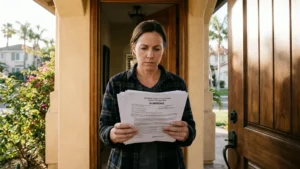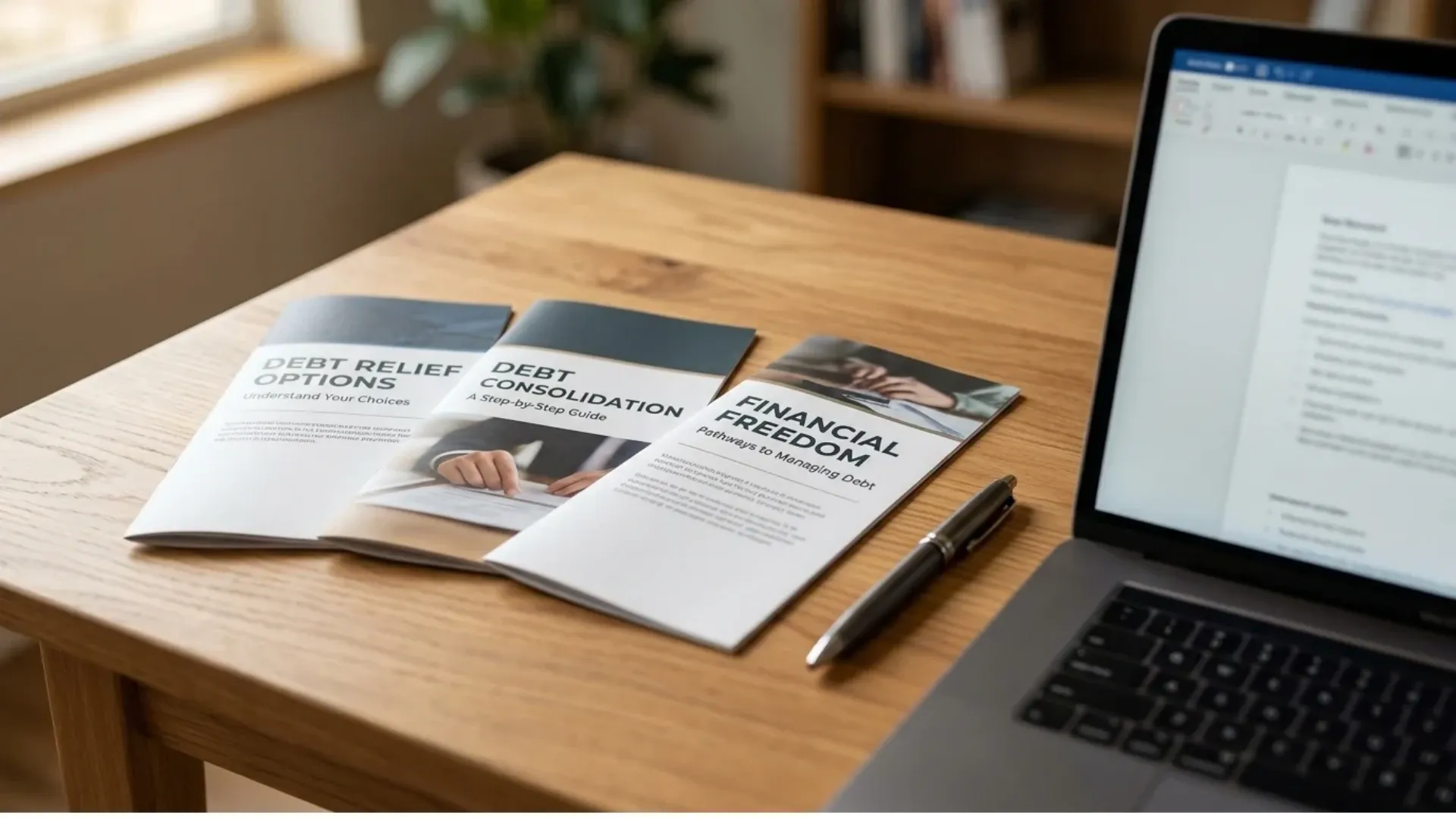
You’ve seen the ads. Cut your debt in half. One easy payment. Then there’s bankruptcy, the option nobody wants to say out loud. These are three very different tools, and the right one depends on how much you owe, what you earn and who is already chasing you.
I’ll lay them next to each other so you can see the real trade offs, including the parts the ads leave out.
How Debt Settlement, Consolidation and Bankruptcy Actually Work
Debt settlement: paying less than you owe, over time
A settlement company tells you to stop paying your creditors and send money into a savings account instead. Once the pile is big enough, the company tries to negotiate each debt down. That sounds clean. In practice, while you’re not paying, late fees and interest keep growing, your credit takes hits, and creditors can still sue you. Some people end up with a judgment before the first settlement is reached.
Two other things to know. Debt forgiven in a settlement can count as taxable income, though there’s an exception if you’re insolvent. And federal rules generally bar companies that sell debt relief by phone from charging fees before they’ve actually settled a debt, so be careful with anyone who asks for money upfront.
Debt consolidation: one new loan to replace many
Consolidation means borrowing a new amount, often a personal loan, balance transfer card or home equity loan, and using it to pay off the old cards. You don’t owe less. You owe one lender instead of five. It works best if your credit is still good enough to get a lower interest rate and your income comfortably covers the new payment.
The danger is turning unsecured debt into secured debt. If you use your home equity to pay off credit cards, those cards can no longer be erased in bankruptcy later, and now your house is on the line. In San Diego, where home equity can feel like a safety net, I see that mistake a lot.
Bankruptcy: a legal reset with court protection
When you file, the automatic stay stops most collection actions right away, including lawsuits and garnishments. In a Chapter 7 case, qualifying unsecured debts like credit cards and medical bills can be discharged. In a Chapter 13 case, you pay what you can afford through a three to five year plan, and the rest may be discharged at the end. A court order backs it up, which is something neither settlement nor consolidation can offer.
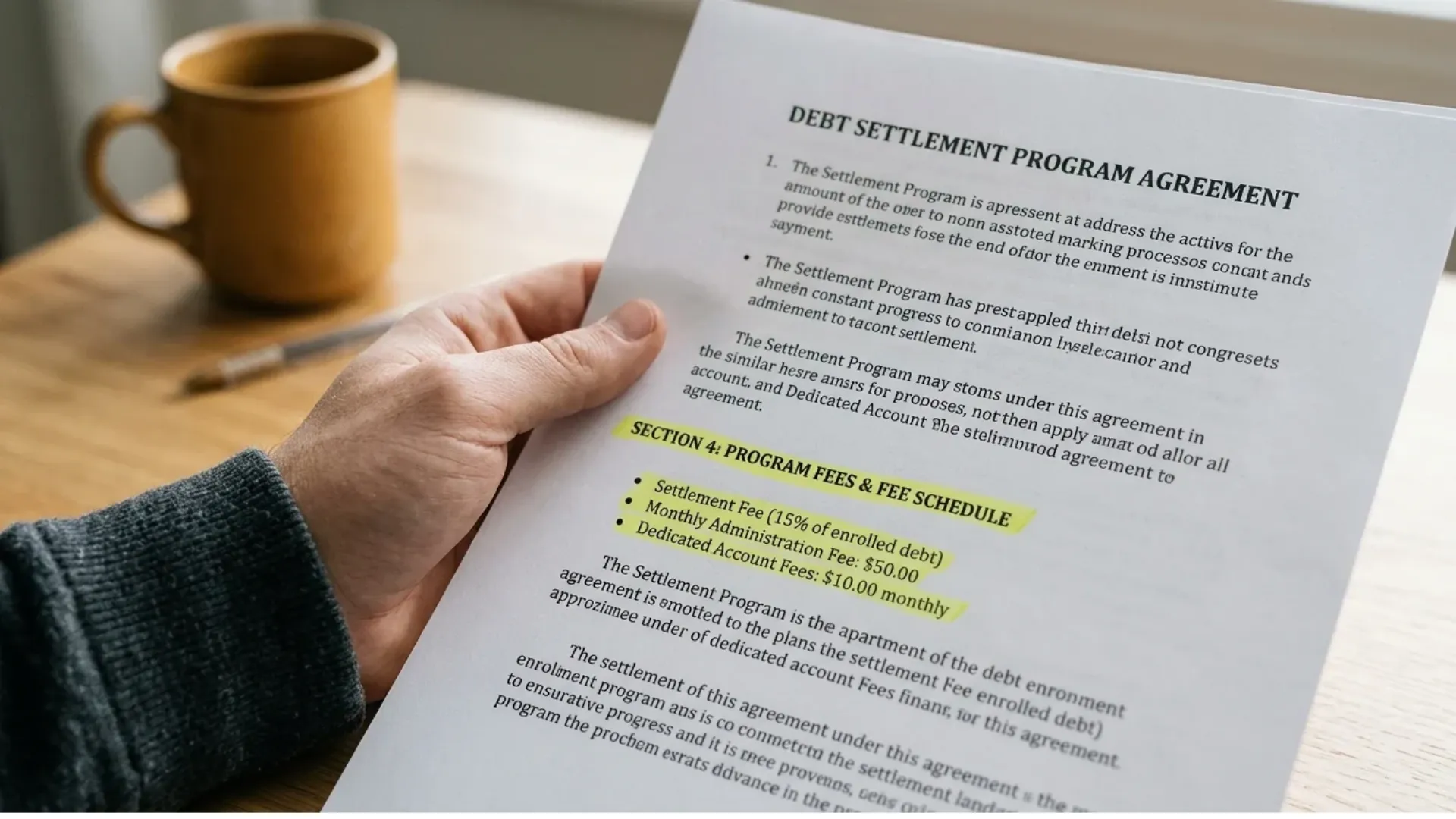
Side by Side: Cost, Credit, Lawsuit Risk and Speed
What each one does to your credit
Settlement usually damages credit while you stop paying and the accounts go delinquent. Consolidation can help your credit if you keep up the new payments, or hurt it if you run the old cards back up. Bankruptcy shows up on your report for years, but many people find their score improves once the overwhelming balances are gone. We go into detail in our article on bankruptcy and credit card debt in San Diego.
What happens if you get sued
This is the biggest difference. In settlement, the lawsuit risk doesn’t pause. In consolidation, you’re current, so lawsuits aren’t the issue unless you slip. In bankruptcy, the stay stops most suits the day you file. If you already have papers in hand, that difference can decide the whole question.
Which debts each option can reach
Settlement and consolidation focus on credit cards and personal loans. Bankruptcy can cover credit cards, medical bills, many personal loans and some business debt. None of the three erase most tax debt, child support or alimony the same way, so the type of debt you carry matters.
How long each takes
Settlement programs often last two to four years with no guarantee every creditor agrees. A consolidation loan runs for its term, commonly three to seven years. A Chapter 7 case moves faster, often a few months, and Chapter 13 runs three to five years. Our post on how much debt you need to file in California also helps if you’re not sure you owe enough to make bankruptcy worthwhile.
What it costs you if nothing changes
It’s worth running one more number. If you make only minimum payments on your cards, how long until you’re debt free, and how much interest do you pay along the way? For many people the answer is a decade or more. Put that next to the cost and the timeline of each option and the comparison gets easier. Doing nothing is a choice too, and it has a price.
What about a nonprofit credit counseling plan?
Nonprofit credit counseling agencies offer debt management plans. You make one monthly payment to the agency, and it pays your creditors, often at a lower interest rate. It’s closer to consolidation than to settlement, because you still repay the full balance. It can work if your income is steady and your total debt is manageable within about five years. It doesn’t help much if you’re already being sued or your balances are far beyond what you could pay.
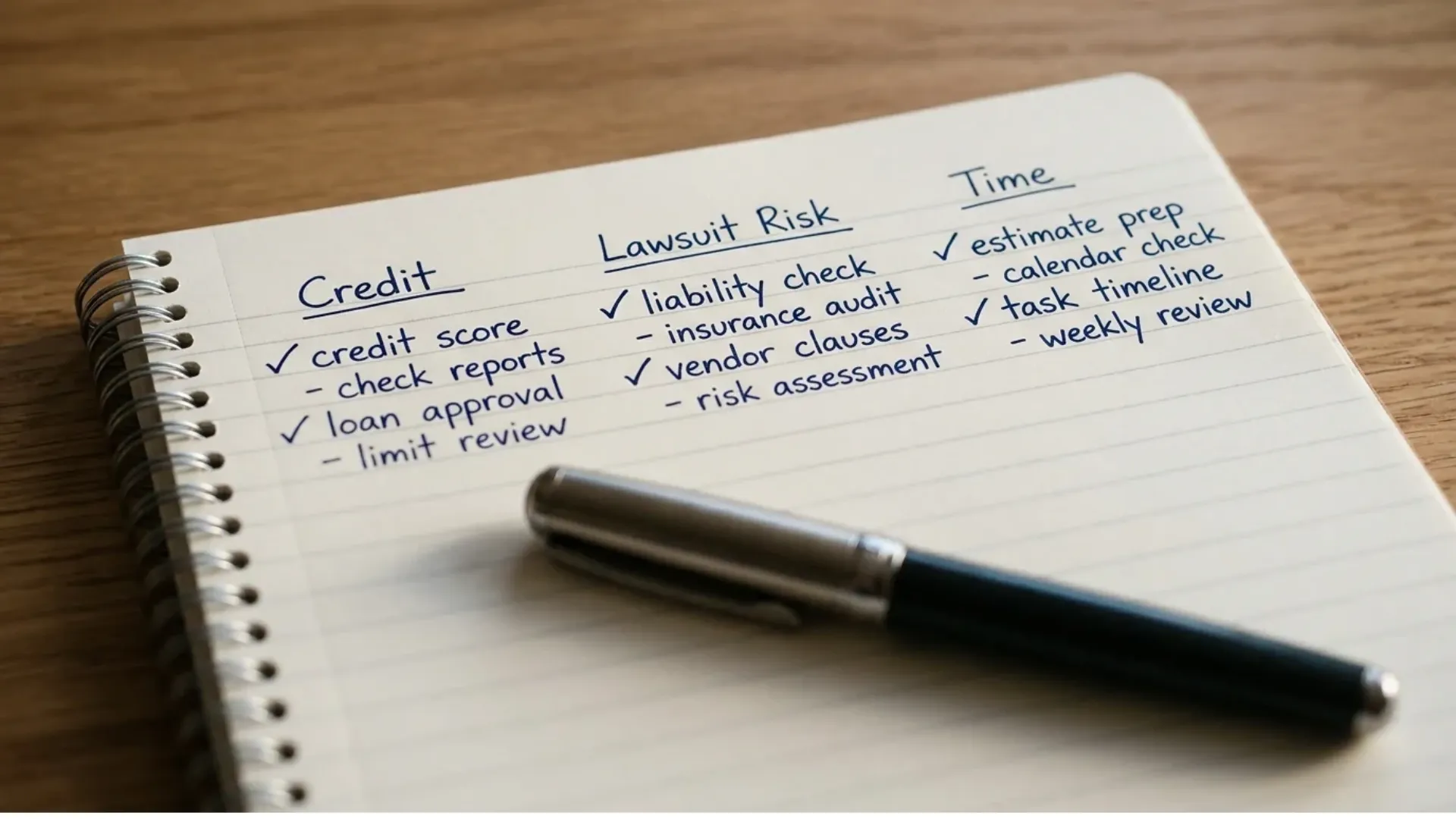
Warning signs that a debt relief offer is a bad deal
- It asks for large fees before settling a single debt.
- It promises to erase a specific percentage of what you owe.
- It tells you to ignore creditor letters or court papers.
- It tells you to stop paying without explaining the risk of a lawsuit.
- It pressures you to sign the same day.
If you’ve already signed up with a program and now have doubts, bring the contract to us. We’ll tell you what it says, what it costs and whether you can still change course.
How each option treats your house and your car
Settlement and a nonprofit plan don’t change what you own. A consolidation loan secured by your home can put the house at risk if you fall behind. In bankruptcy, California exemption rules protect many people’s homes, cars, tools of the trade and retirement accounts, up to certain limits, and a Chapter 13 plan can let you keep property you’d otherwise lose while you catch up on payments. Our post on credit card debt in bankruptcy also explains what stays and what goes.
Mistakes people make when comparing options
- Comparing monthly payments only, and ignoring the total cost and how long it lasts.
- Ignoring a lawsuit that’s already filed or likely to be.
- Forgetting that forgiven debt can create a tax bill.
- Using home equity to pay off cards without understanding what it puts at risk.
- Waiting until a garnishment starts before asking for advice.
A Simple Test to Pick the Right Path
Four questions to ask yourself
- Do you owe more than you could realistically repay in five years of steady payments?
- Is a lawsuit, garnishment or levy already in motion or about to start?
- Is your credit strong enough to qualify for a lower rate loan?
- Would you be putting your home or a car at risk to fix this?
If your answer to the first two is yes, bankruptcy deserves a serious look. If the answer to the third is yes and the debt is small, consolidation might be enough. If the fourth is yes, stop and talk to someone before you move any money.
3 quick pictures
Picture a household with $12,000 in card debt, a steady paycheck and a good credit score. Consolidation or a payoff plan may be all they need. Now picture a family with $48,000 across seven cards, a medical bill in collection and a lawsuit letter. A settlement program could leave them exposed for years. And picture a self employed driver in El Cajon whose income dropped by half. A plan built on steady income might fail, and bankruptcy may be the better fit. These are examples, not predictions, which is why we look at the real numbers.

What to bring to a consultation
Bring a list of your debts with balances and interest rates, your last two pay stubs, any settlement offers or program contracts, and any legal papers. We’ll compare the options using your numbers, and we’ll tell you plainly when bankruptcy is not the right move.
When bankruptcy is the better first step, not the last resort
Many people treat bankruptcy as the last thing to try after months of failed fixes. I’d flip that when the numbers point that way. Every month you spend on a program that won’t finish, you pay interest, fees and often legal costs. If the debt is clearly beyond what your income can handle, starting with a Chapter 7 or Chapter 13 consultation can save you money and time, not cost you more. The point isn’t to push bankruptcy. It’s to compare honestly, and sometimes the honest comparison favors filing.
The Cheapest Option Isn’t Always the Cheapest Result
Every one of these tools can be the right choice for somebody. The mistake is picking one because of an ad instead of a plan. Compare them using your real balances, your real income and your real risks, and the answer usually becomes clear. Sometimes it’s a loan, sometimes it’s a program and sometimes it’s a court filing. If you’d like a second set of eyes before you sign anything, bring it to us and we’ll go through it with you, free.
Not sure which path fits? Call us at 619-574-0551 for a free consultation by phone, video or in person at 2341 Jefferson St, Suite 100 in San Diego. Bring your statements and any program contract, and we’ll compare settlement, consolidation and bankruptcy using your actual numbers.